
The £1,000-a-Month Question: What Would You Actually Need to Sell?

Most people who want to build an extra £1,000 a month online never ask themselves the one question that matters: what exactly am I selling, and to whom, and how many of them do I need?
They skip straight to the fantasy. They imagine a passive income stream. They picture themselves working four hours a week. They see the freedom, not the math. And because they never do the math, they quit when it gets hard, convinced they picked the wrong business model when really they just didn’t understand what they’d signed up for.
Key Takeaways
- Working backwards from £1,000 a month reveals the specific volume or price point you need, which changes everything about which business model makes sense for you.
- A service business and a digital product business need completely different approaches; one scales with your hours, the other with your audience reach, and confusing them is where most people get stuck.
- The real difficulty isn’t finding customers—it’s understanding whether you have the right customer avatar and pricing to hit your number in the hours you actually have available.
- Testing your numbers with real offers before you build the whole business saves months of wasted effort chasing a model that was never going to work.
Start with the Number That Matters
Let’s do this properly. You want £1,000 a month. That’s £12,000 a year, or roughly £230 per week if you work fifty weeks.
Now ask yourself: do I want to earn that selling a service (my time), or selling a product (something I make once and sell many times)?
These two paths look almost nothing alike when you work the numbers. And if you pick the wrong one, you’ll burn out before you see any income.
Let’s say you’re a freelance copywriter. You charge £50 per hour. To hit £1,000 a month, you need twenty billable hours. That’s five hours a week if you’re working four weeks, or about one hour per day. That sounds reasonable, doesn’t it? Maybe even easy?
But here’s where most service providers run aground: those twenty hours are billable hours. You also need to spend time finding clients, writing proposals, fixing problems, chasing invoices, and managing projects. In reality, you’re probably working thirty to forty hours to bill twenty. So you’re looking at eight to ten hours a week of actual work, not one.
If you have a full-time job, that’s suddenly difficult. If you have a full-time job and a family, it’s nearly impossible. And the minute a client goes quiet or a project delays, your income drops to zero.
That’s not a complaint about services—it’s the structure of services. Your income is capped by the hours you have and the rate you can charge. Once you understand that, you can decide if it’s right for you. Many people find that it is. They just need to know what they’re actually signing up for.
The Product Path: Volume or Audience
Now let’s look at a digital product. You create a course, or a template, or a guide. You make it once. You sell it many times.
Same £1,000-a-month target. Different math entirely.
Say you sell the product for £20. You need fifty sales. Can you sell fifty copies of something in a month? If you have an email list of 5,000 people and a 1% conversion rate, yes. If you have an email list of five hundred people and a 5% conversion rate, maybe. If you have no audience yet, you’re selling zero.
The hard truth about digital products is this: you can have the best course in the world, but if nobody knows about you, it doesn’t matter. You’re not just building a product. You’re building an audience to sell it to.
That takes time. It takes consistency. For most people, it takes three to six months of regular content before you have enough reach to make meaningful sales. And that’s if you’re smart about where you’re building that audience—your email list, your blog, wherever your future customers actually are.
So here’s the real comparison: services get you to £1,000 a month faster (usually within weeks, if you already have some reputation), but they lock you to your hours forever. Products take longer to set up (three to six months before real income), but once they’re working, they require far less active time.
Neither is passive. The word passive income is a marketing lie. But one of them might be right for where you are now.
Where Most People Get It Wrong
I spent about eighteen months chasing a product-based model before I had any audience at all. I built an email course, a template, even a mini-course. I sold almost nothing.
Why? Because I had zero audience and I’d never built one. I was trying to jump straight to the payoff without doing the work that makes the payoff possible.
I could have started with freelance services instead. I could have built a reputation, gotten some testimonials, grown a tiny email list of people who knew my work. Then I could have launched a product to that list and actually had traction.
But I didn’t understand the math. I didn’t know that £1,000 from fifty course sales required either fifty cold prospects or a built audience. So I kept trying to market to people who’d never heard of me.

Here’s what you need to ask yourself right now: do you have an existing audience of any size, in any format? That could be:
- People who know your work (colleagues, past clients, people you’ve helped)
- A social media following, even a small one
- An email list (even if it’s just fifty people)
- A reputation in a specific community, online or offline
If the answer is no, a digital product is not your path right now. You’re looking at services, coaching, or building in public as you go—which is essentially building an audience while you do paid work.
If the answer is yes, even a little bit, a product could be your accelerator. You already have people who might be interested.
The Math of Services: How Many Clients Do You Actually Need?
Let’s say you decide services is the right play. You’re a virtual assistant, or a designer, or a coach, or a consultant. You want £1,000 a month.
Now break it down by client count and price.
Scenario one: one client at £1,000 a month. That’s clean arithmetic, but it’s also risky. One client is your entire income. If they pause, cancel, or reduce scope, you’re broke. Most people doing services aim for multiple clients to spread that risk.
Scenario two: four clients at £250 a month each. More stable. You can lose one and still make £750. You need to find and manage four relationships, but that’s manageable.
Scenario three: ten clients at £100 a month each. This is where many service businesses start: small, ongoing retainers. Lower price point, easier to sell, but you’re managing ten separate relationships and ten separate invoices.
Here’s the question nobody asks: which of these fits your actual life?
If you have a demanding full-time job and two kids, ten clients at £100 a month means you’re juggling communication with ten different people in your evening and weekend hours. That sounds like a nightmare.
One client at £1,000 a month means you’re dependent and exposed, but the communication load is way lower.
Four clients at £250 a month is probably the sweet spot for most people with full-time jobs. You can manage four relationships. You can deliver good work to four people. You have some redundancy if one drops off. The price point is high enough that you’re not grinding for too many billable hours.
But you have to actually think this through before you start. Too many people start a service business, win one client, think they’ve cracked it, then panic when they realize they need four or five to truly make £1,000 a month.
The Real Work: Testing Before You Build
Here’s something that separates people who actually build income from people who don’t: they test their assumptions with real people before they build the whole thing.
You don’t need to know everything. You need to know this: will anyone actually pay for what you’re offering, and at the price you need them to pay?
Let’s say you want to sell a course on social media strategy. You think you’ll sell it for £97. You need maybe eleven sales a month to hit £1,000 (accounting for refunds and payment processor fees). That seems reasonable.
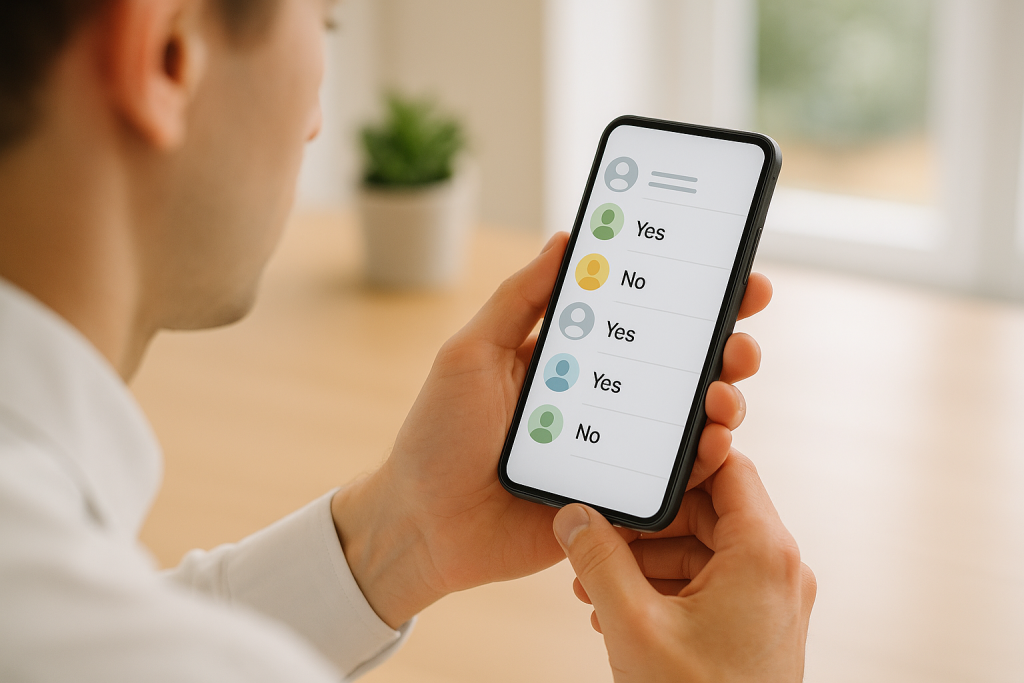
But here’s what you should do before you spend three months building and recording: pitch it to fifty people in your network. Not a full course. Not even a video. Just an email or a conversation. “I’m thinking about creating a course on X. Would you pay £97 for it?” See what people actually say.
You’re looking for yes answers. Three out of fifty means 6% of people are interested. Eleven sales a month means you need an audience of about 200 people with the same interest level, or 300 if you account for falloff. Can you build an audience of 200 to 300 people in your niche in the next three months? If not, the math doesn’t work.
This is hard because it requires you to feel the rejection before you’ve invested the work. But it’s also the fastest way to avoid building something nobody wants.
I’ve done this wrong many times. I’ve built entire products based on what I thought people wanted, not what they actually told me they’d pay for. Every single time, I’ve regretted it.
The opposite is also true: I’ve pitched ideas that seemed niche and weird, and people said yes immediately. Now I actually listen to what people say they need, rather than what makes sense in my head.
Pricing: The Part That Scares Everyone
This is where things get uncomfortable, so let’s just say it plainly: most people price too low.
You’re not pricing based on what seems reasonable to you. You’re pricing based on what your target customer will pay for the result they get.
A freelancer charging £25 an hour looks cheap. A freelancer charging £75 an hour doing the same work looks expensive. The customer experiences the same result. The difference is in confidence, positioning, and who you’re selling to.
If you’re selling to small business owners who are used to paying for good work, £75 an hour is actually the baseline. If you’re selling to other freelancers or students, £25 might be high.
Same skill. Different customer. Completely different price.
Here’s what I see happen: someone decides they want to build income, so they undercut everyone else to “get their first client.” They land work at £20 an hour. Now they need fifty billable hours a month to hit £1,000. That’s twelve and a half hours a week. They burn out. They blame the business model.
But if they’d spent two weeks positioning themselves properly and selling to customers who valued their work, they could have charged £60 an hour, needed seventeen billable hours a month, and actually had room to breathe.
The question isn’t “what can I charge?” It’s “who am I selling to, and what will they pay?” That changes everything.
Products: Audience First, Then Price
If you’re going the product route, pricing is different again.
You’re not pricing based on hours. You’re pricing based on the value someone gets and what they’ll pay relative to alternatives.
A template might sell for £37. A course might sell for £97. A comprehensive guide or toolkit might sell for £197. These numbers aren’t magic. They’re based on what people in your market are used to paying and what feels like a good deal to them.
The size of your audience determines how many you can sell. The quality of your audience (how much they trust you, how much they need what you’re selling) determines your conversion rate.
Let’s model this: you have an email list of 500 people. You launch a £47 template. Your conversion rate is 2% (pretty standard for cold email list). That’s ten sales. Revenue: £470. You’re nowhere near £1,000.
But if you spend six months growing that list to 2,000 people, and your conversion rate stays at 2%, you’re at forty sales. Revenue: £1,880. Now you’ve hit your target.
Or you could keep the list at 500 but improve your conversion rate to 5% by writing better emails, showing more value, and building deeper trust. That gets you to twenty-five sales and £1,175. You’ve hit it.
Or you could charge £97 instead of £47. At 2% conversion with 500 people, that’s still ten sales, but now you’re at £970, close enough to call it done.
The point: with products, you’re managing audience size, conversion rate, and price. You have multiple levers to pull. Pick which one makes sense given your current situation.
The Hours Question
This is the part that matters most and almost nobody thinks about clearly: how many hours a week can you actually work on this?
Not how many you think you should work. How many you can actually sustain week after week while keeping your job and your life together?
I know people who swear they’ll work five hours every weeknight. They last about three weeks before life gets in the way. A client emergency, a sick kid, a rough patch at work. Then the side hustle is the first thing that drops.
Be honest. Can you do five hours a week? Maybe you can. Can you do five hours every single week for the next six months? That’s the real question.
If the answer is five hours a week, your path is different than someone who can commit fifteen. Services might work better. You find clients, deliver good work, build a reputation. That takes less total time than building an audience for products.
If you can commit fifteen hours a week, you have more options. You could hustle services while building an audience in parallel. You could invest time in creating products.

Most people fail at this because they commit to more hours than they can actually deliver, then feel guilty when they miss their targets. The guilt makes them quit.
Instead, decide how many hours you can actually work. Now build your plan around that reality. If you have five hours a week and you want £1,000 a month, you’re looking at services with a high enough price point that you don’t need many clients. You’re not building a digital product from scratch.
If you have fifteen hours a week, products start to make sense. You can build an audience and create products while also taking on some paid work.
Putting It Together: Your Actual Path
Here’s how you figure out what you’re actually signing up for:
- Pick your model: services (selling your time) or products (building an audience and selling to them). If you have no audience and can only spare five to ten hours a week, services is usually faster. If you have some audience or more hours, products might work.
- Do the math: if services, how many clients at what price? If products, what price and what conversion rate do you need from how many people? Write the actual numbers down.
- Test the assumption: for services, can you actually land clients at that price point? Ask five people who fit your ideal customer description if they’d hire you. For products, do fifty people in your network actually say they’d buy at your intended price?
- Schedule the hours: now that you know the model, how many hours will you actually need to spend? Does that fit your real life, or do you need to adjust your target (£500 instead of £1,000) or your price point?
- Start small: don’t build everything. Find one client or test one product with your existing network. See if the math works in practice before you go all in.
This is boring. It’s not exciting. But it’s the difference between building something that actually works and chasing a fantasy that feels good in your head but collapses the moment you try it.
Frequently Asked Questions
Is £1,000 a month realistic for someone with a full-time job?
Yes, but it depends on your model and what you’re selling. Services with a high enough rate (£50 to £100 per hour) need maybe ten to twenty billable hours a month, which is two to five hours a week. That’s achievable for most people if they protect the time. Products take longer to set up but need less active time once they’re working, though they require building an audience first, which usually takes three to six months.
How do I know if I should charge more for my services?
Test it. Raise your rate by 20% and pitch a few new prospects. If you still win the work, you were too low. If you lose pitches, your old rate was closer to right. You can also look at what others in your field charge to similar customers, but remember: you’re not pricing based on the market average, you’re pricing based on the value you deliver to your specific customer.
What if I don’t have an audience to sell a product to?
You can’t sell products without an audience. You’d need to build one first through content, social media, email, or existing relationships. If you don’t have time for that right now, start with services to build reputation and email list, then move to products later when you have the audience.
How long before I actually see £1,000 a month?
With services, usually within two to four months if you’re actively finding clients and have good positioning. With products, usually four to eight months because you need to build an audience first. Most people underestimate the time it takes and overestimate how many sales they’ll get, so build in extra time for the unexpected.
Next Steps
The math is only the starting point. The real work is doing one of these models well, not chasing both at once or changing your mind every month. Pick your model based on the hours you have and the audience you start with, test it with real people, then commit to the work. If you’re stuck on which path makes sense for your situation, find out more about the frameworks that actually helped me decide.
