Why Your Content Disappears in 24 Hours
(And How to Make It Last for Weeks Instead)
You publish a post.
You check your stats.
There’s a small spike.
Then the next day comes… and it’s gone.
- No more views.
- No more comments.
- No more reach.
For beginners, this feels personal.
Like the internet quietly decided you’re not worth paying attention to.
In my experience, this is the exact point where most creators either quit—or start copying whatever looks viral.
Both paths fail.
Not because you lack skill
But because no one taught you how content actually survives.
This article will fix that.
The Internet Isn’t Broken — It’s Doing Exactly What It Was Designed to Do
Social platforms are not libraries.
They are streams.
Your content is not stored neatly for discovery.
It’s pushed briefly… then replaced.
Algorithms are optimized for:
Freshness
Engagement velocity
Short-term reactions
- Not depth.
- Not longevity.
- Not effort.
If you treat platforms like permanent storage, you will always feel invisible.
That’s not pessimism.
That’s understanding the rules.
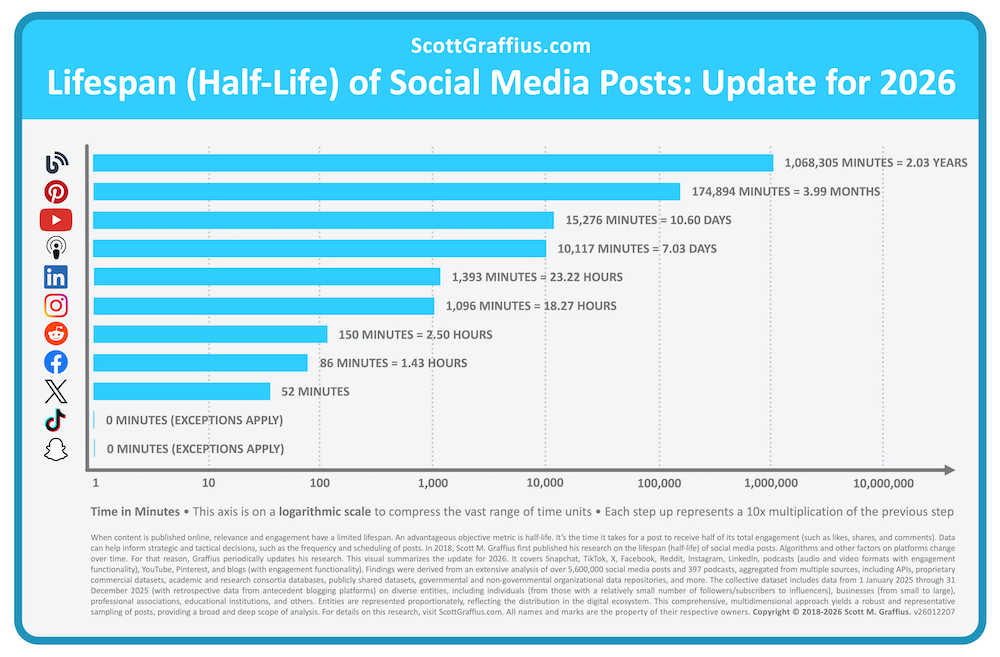
The 24-Hour Content Death Cycle (What Actually Happens)
Let’s break down what happens after you post.
Hour 1–3
Your content is shown to a small test audience.
Hour 4–12
If engagement is average, distribution slows.
Hour 24
Your post is functionally dead unless it’s being actively reshared.
Most beginners stop here and assume:
- “My hook wasn’t good enough”
- “I need to post more”
- “The algorithm hates me”
None of those are the real problem.
The Real Reason Your Content Disappears So Fast
1. You’re Creating Moments, Not Assets
Beginner content is often built for reaction, not retention.
You publish:
- A tip
- A thought
- A quote
Then you move on.
There’s no structure behind it.
No connection to other content.
No reason for the platform—or the reader—to return.
Assets are designed to be reused.
Moments vanish.
Most content dies because it was never built to live.
2. You Depend on One Touchpoint
- One post.
- One format.
- One chance.
That’s a fragile system.
People rarely act the first time they see you.
They need repetition, clarity, and trust.
When your content appears once and disappears, it never has the chance to compound.
In my experience, beginners massively underestimate how many exposures it takes before someone subscribes.
3. You Teach Information, Not Direction
You give value.
But you don’t guide.
So the reader thinks:
“That was helpful.”
And then they leave.
Helpful content without direction is forgettable.
Longevity requires continuity.
The Shift That Changes Everything: Content With a Lifespan
Here’s the mindset that separates struggling creators from growing ones:
Every piece of content should either enter, move, or anchor the reader.
Let me explain.
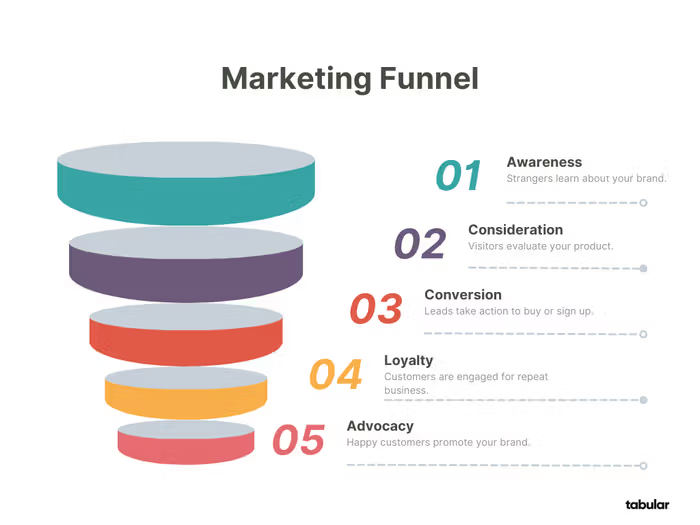
Stage 1: Entry Content (How People Find You)
This content:
- Identifies a problem
- Names a frustration
- Creates awareness
Examples:
- “Why consistency isn’t your real problem”
- “The reason your posts stop getting views”
Its job is not to teach everything.
Its job is to open a loop.
Stage 2: Movement Content (How Trust Is Built)
This content:
- Explains the problem deeply
- Breaks false beliefs
- Introduces a system or framework
This is where authority is formed.
Movement content is why people start thinking:
“This person actually understands this.”
Most beginners skip this step entirely.
Stage 3: Anchor Content (How Content Lives Longer)
Anchor content:
Connects multiple ideas together
- Gets saved
- Gets revisited
- Feeds other posts
Examples:
- In-depth guides
- Framework explanations
- Core philosophy posts
This is the content that lasts for weeks or months.
Without anchors, everything collapses after 24 hours.
Why Posting More Often Makes the Problem Worse
Posting more without structure increases:
- Burnout
- Confusion
- Inconsistent messaging
It does not increase longevity.
In fact, it teaches the algorithm and your audience that your content is disposable.
Quality plus structure beats volume every time.
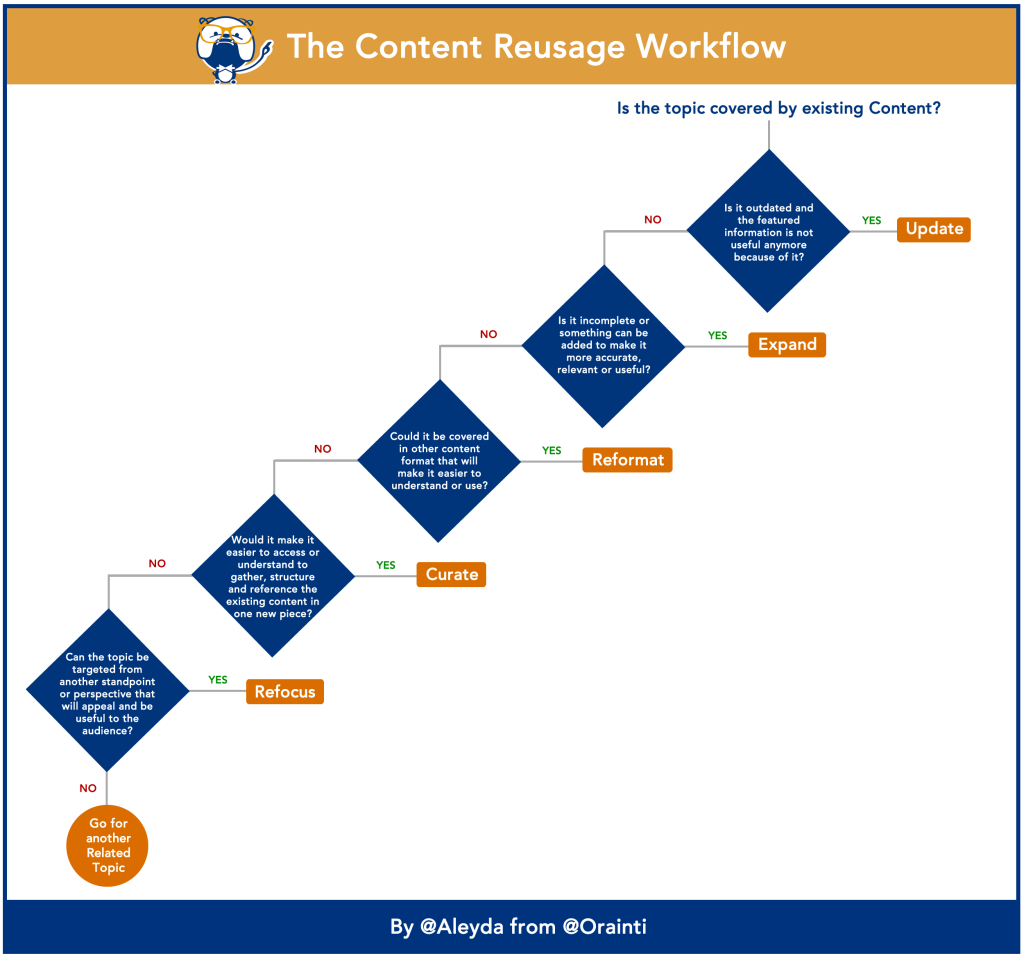
How to Turn One Idea Into Weeks of Content